

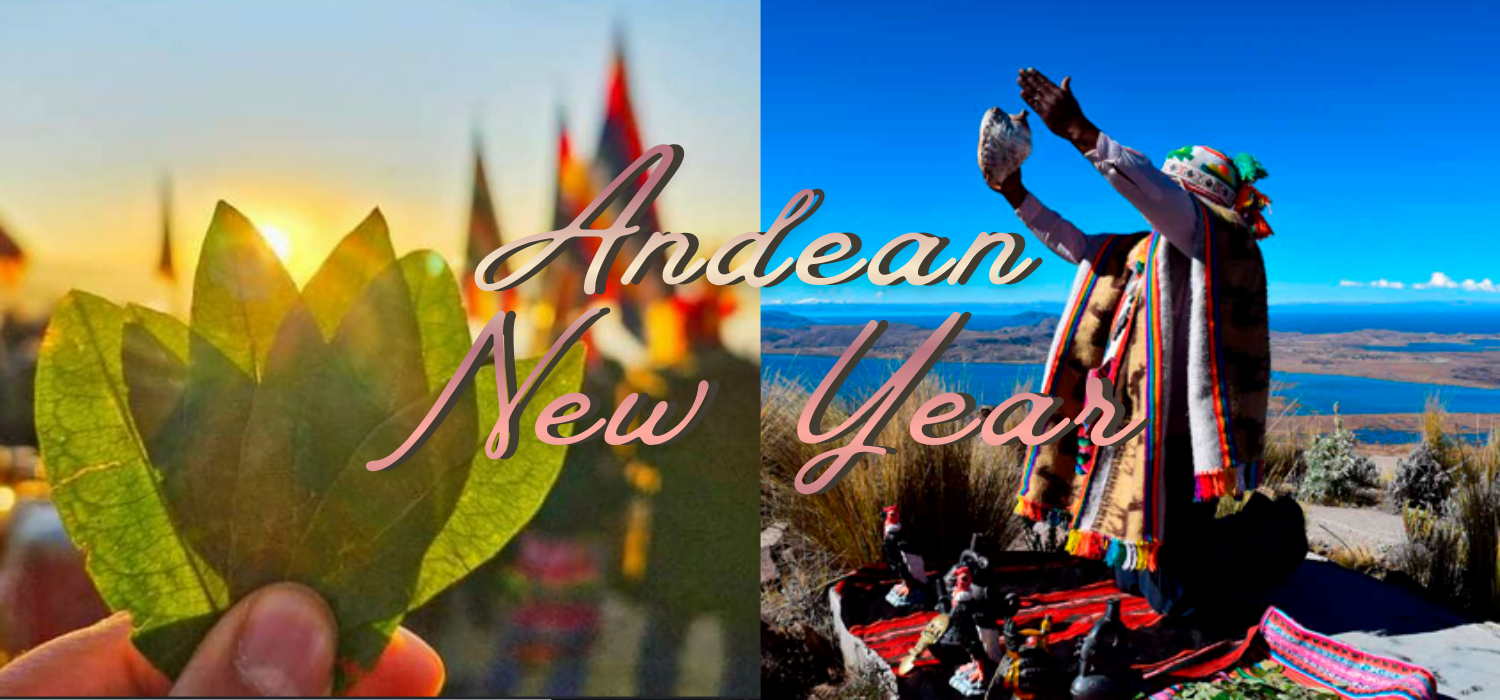
The Andean New Year: the sun celebration most travelers never see
While the rest of the world counts down on December 31st, the Andean peoples of Peru and Bolivia have been celebrating a different new year for thousands of years — one tied to the sun, the earth, and the cosmos. The Willka Kuti, or “return of the light,” falls on June 21st with the winter solstice, and it is one of the most profound spiritual experiences the Andes have to offer.
What is the Andean New Year?
The Andean New Year — Willka Kuti in Aymara, or Inti Raymi Muyuy in Quechua — marks the beginning of a new solar cycle. For Andean cultures, June 21st is the shortest day of the year in the southern hemisphere: the longest night, after which the sun “returns” with renewed strength. This year marks the year 5,533 of the Andean calendar.
This is not just a date on a calendar — it is a worldview. The Pachamama (Mother Earth) receives offerings, sacred fires are lit before dawn, and the first rays of sunlight over the mountains signal the beginning of a new cycle of life, planting, and community renewal.
June 21 — Andean New Year 5,533
Southern winter solstice. Main ceremony before sunrise, between 5:00 and 7:00 AM. Celebrated across the Peruvian and Bolivian altiplano.
The rituals that make this celebration unique
Lighting of the sacred fire
Before dawn, the amautas — Andean wise elders — light the ceremonial fire using ancestral methods. The smoke rises to the sky as a message to the Apus, the mountain spirits. Communities gather around it in silence.
Offering to the Pachamama
Flowers, coca leaves, chicha, and food from the land are placed in a ceremonial despacho. It is an act of gratitude and reciprocity with Mother Earth for the harvest of the ending year and the one to come.
Receiving the first ray of sunlight
As the sun rises, participants open their palms toward the sky to “receive” its solar energy. This is the most intimate moment of the ceremony — silent, collective, and deeply spiritual.
Ceremonial music and dance
After the dawn ceremony, the celebration continues with siku, pututu, and quena music. Each community has its own ritual dances that tell the story of their relationship with the Andean cosmos.
Communal feast
The celebration ends — or continues — with shared food. Chuño, quinoa, native potato, purple corn, and chicha de jora. Eating together is itself part of the ritual of community unity.
“I expected a tourist show. What I found was a real ceremony — quiet, with Aymara families watching the horizon as the sun appeared. Something shifted in me that morning.”
— German traveler, tour with Great Trip World
Where to experience it in Peru
The Andean New Year is celebrated throughout the altiplano, but some places offer an especially deep experience:
| Location | Description |
|---|---|
| Tiwanaku / Pumapunku (Bolivia) — the largest gathering | The archaeological site of Tiwanaku, 75 km from La Paz, draws tens of thousands of people every year. Bolivia’s president often attends. The scale is impressive, though more public and touristy. |
| Lake Titicaca, Puno — the most authentic | On the Peruvian shore of the lake, Aymara communities on Amantaní, Taquile, and Capachica celebrate the Willka Kuti in its purest form — no stages, no TV cameras. Getting there requires planning ahead. |
| Sacsayhuamán, Cusco — the most spectacular | The Inca fortress above Cusco hosts the Inti Raymi, the Festival of the Sun — a large-scale theatrical reenactment combining history, drama, and massive participation. Different from the Willka Kuti, but equally moving. |
Traveler tips
Wake up early — Ceremonies begin at 5:00–5:30 AM. Leave your hotel before 4:30 to arrive on time and find a good spot.
It will be cold — In June, Puno and Cusco reach below-freezing temperatures before dawn. Thermal layers, gloves, and a wool hat are essential.
Respect the ceremony — This is a real spiritual event. Stay silent during rituals, ask permission before taking photos, and never interrupt the amautas.
Book well in advance — June 21st is the highest-demand night of the year in Puno and Cusco. Reserve accommodation months ahead.
22/06/2026