


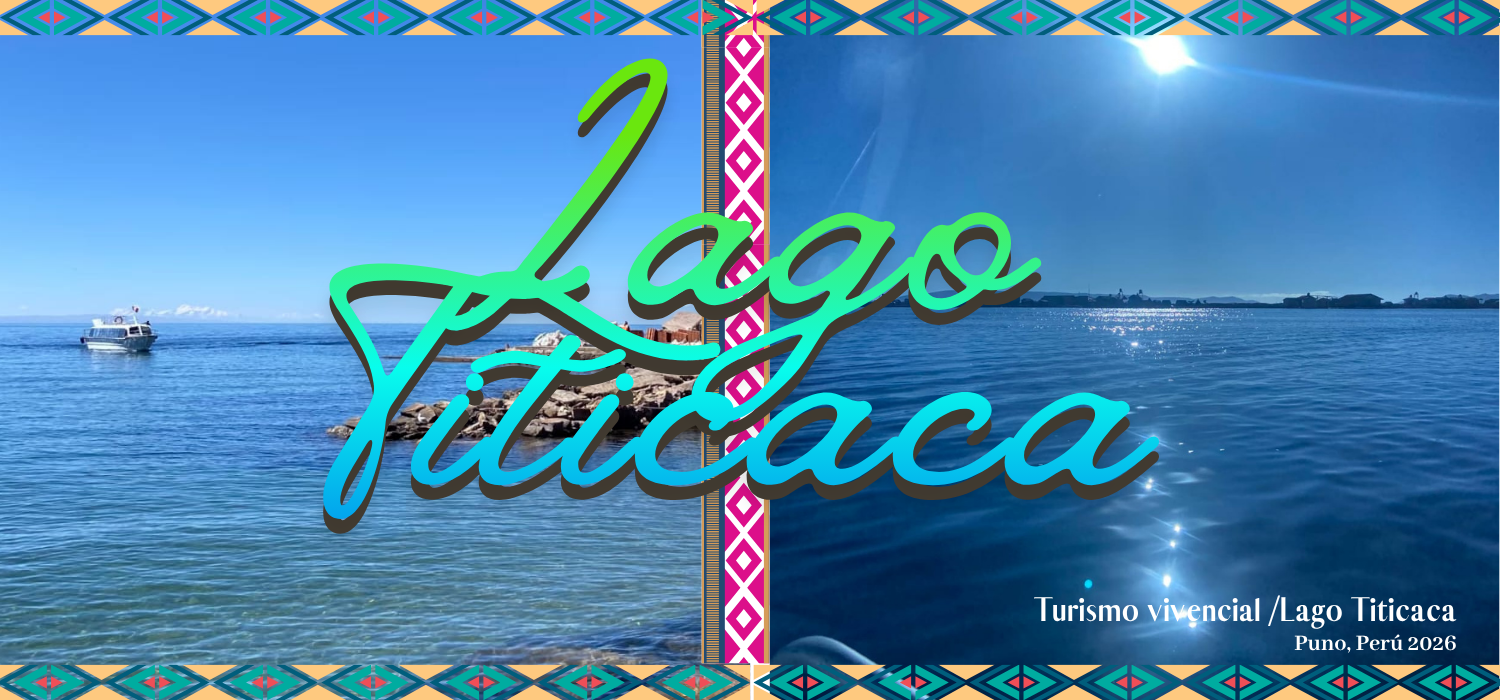
The Secrets of Lake Titicaca That Few Travelers Know
At 3,800 meters above sea level, between the highland sky and the bluest water in the Andes, Lake Titicaca holds stories that go far beyond a tourist postcard. It is the highest navigable lake in the world, yes, but it is also a territory steeped in Inca myths, communities that defy logic, and landscapes that very few take the time to truly understand.
At Great Trip World we have spent years taking travelers to its shores, and here we share with you some of the secrets that make Titicaca a truly unique destination.
The place where the Inca empire was born
According to Inca mythology, Manco Cápac and Mama Ocllo emerged from the depths of Titicaca, sent by the sun god (Inti) to found Cusco and give rise to Inca civilization. It is no coincidence that the lake is considered a sacred space: for Andean cultures, its waters are the very cradle of the world.
Islands made by human hands, not by nature
The Uros Islands did not exist before people built them. They are made entirely of totora, an aquatic plant that grows in the lake, and must be renewed approximately every 15 days because the water slowly rots the base. The Uros are descendants of a pre-Inca culture that, according to legend, took refuge on the water to escape the Incas by building these floating islands. Today, around 1,200 people live on more than 60 artificial islands.
A shared lake, two countries, one soul
Titicaca is split almost equally between Peru and Bolivia, but for the communities living on its shores, the border is merely an administrative line. The worldview, the Aymara and Quechua languages, and the rituals of offering to Pachamama are the same on both sides of the water.
Sunken ruins and a mystery not yet fully solved
Divers and researchers have found archaeological remains beneath Titicaca’s waters: temples, terraces, and stone structures that suggest the existence of settlements predating the Inca Empire, possibly submerged by changes in the lake’s water levels centuries ago. Although research continues, the discovery fuels the idea of a Titicaca with layers of history that we have yet to fully uncover.
Amantani and Taquile: genuine experiential tourism
On these two islands, time seems to stand still. On Amantani, families still receive travelers in their own homes, share their meals of potatoes and quinoa, and at night —if you’re lucky— they invite visitors to a celebration with music and traditional dress on the twin hills of Pachatata and Pachamama. On Taquile, declared an Intangible Cultural Heritage of Humanity by UNESCO thanks to its textiles, it is the men who do the weaving, and the design of each hat (chullo) tells the marital status of its wearer.
Altitude sickness is real, but it has a solution
Puno is at 3,870 meters above sea level and many travelers arrive without acclimatizing. The famous “soroche,” or altitude sickness, can surprise even the most physically prepared. Coca leaf tea, constant hydration, and a quiet first day are the best defense. At Great Trip World, we always recommend our travelers arrive with a buffer day before setting sail for the islands.
Sillustani: the towers that point to the beyond
Less than an hour from Puno, on the peninsula surrounding Lake Umayo, stand the chullpas of Sillustani: circular funerary towers built by the Colla culture, where the nobility were buried along with their belongings. It is said that the openings of the chullpas are oriented toward sunrise, so that the sun symbolically “revives” the dead each day.
Tiwanaku, the echo of an even older civilization
Crossing over into Bolivia, near the lake, lies the archaeological complex of Tiwanaku, considered one of the oldest and most enigmatic ceremonial centers in South America. The Gate of the Sun and its monoliths continue to generate theories about astronomy, engineering, and a civilization that predates the Inca Empire by centuries.
Experience the secrets of Titicaca for yourself
At Great Trip World, we design experiences that go beyond the typical tour: experiential tourism on Amantani and Taquile, visits to the Uros Islands, excursions to Sillustani, and routes that cross over to Tiwanaku and the Route of the Sun in Bolivia. We accompany you before, during, and after your trip, in your language, so that every secret of the lake becomes a memory of your own.
Ready to discover Titicaca like few others do? Write to us, and together we’ll plan your next adventure through the Altiplano.
14/07/2026